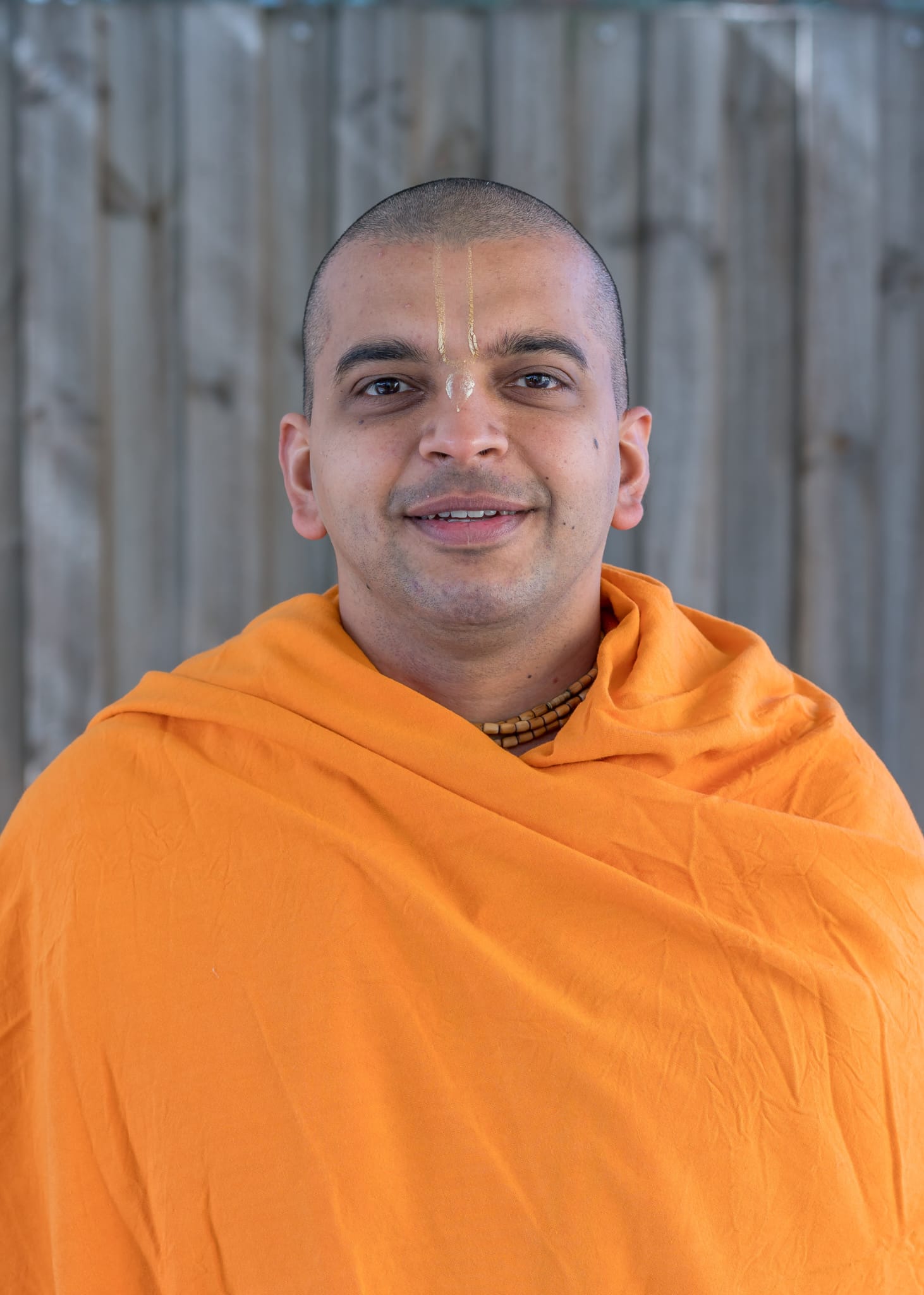

Dharmendra’s family roots run seven generations deep into the soil of Adalaj, a traditional farming village in Gujarat, India. Born in 1983 and initially named Nilesh, his grandfather Bhikhubhai Patel renamed him Dharmendrakumar Dilipbhai Patel after the famous actor and to signify a life rooted in dharma. To shield the family from the uncertainties of agriculture, his father, Dilipbhai, took a physically demanding job at a Reliance Industries textile mill in Naroda, while his educated mother, Anandi Ben, managed household finances with quiet frugality. Growing up with his younger brother Milan in a single rental room where meals were cooked, studies were done, and guests slept on the floor, he never felt poor. His parents saved for months to buy him a bicycle or TV every Dussehra, instilling in him a lessons-for-life truth that he carries to this day: “My real MBA came from watching my parents”.
During school holidays, Dharmendra and his brother learned the dignity of labor by loading crates at a beverage factory and peeling potatoes for hours at a chip unit. Raised on the rule that no one knocking on their door asking for help should go away empty-handed, he developed a deep social conscience. Though he excelled academically – scoring 194 out of 200 in Maths and Science in Year 10 – he studied Electronics and Communication Engineering at Bhavnagar University in Gujarati medium, struggling with English exams. During his final-year oral exam, an examiner attempted to crush his spirit, declaring: “You should not apply for a job; otherwise, you will be a liability to a business”. Rather than breaking, Dharmendra used the insult as fuel – he decided on the spot that he would never work for someone else, vowingly never making a resume in his life except for marriage.
In July 2005, Dharmendra landed in Australia on a one-year student visa at Deakin University in Geelong. His first night was spent shivering in a freezing room with a broken heater, but he persevered. Facing visa extension requirements, he bought a car and led a group of young migrants to Griffith for farm work. When their contractor vanished, leaving them without food or shelter, a local Sikh Gurdwara took them in for three days. Dharmendra endured gruelling days of manual farm labor when others quit, before returning to Geelong, passing his taxi license test, and driving shifts to master English, pay off expenses, and support his friends.
Driven to build a career on service, he enrolled in Migration Law, studying textbooks by day and driving taxis by night. After qualifying as a Registered Migration Agent, he opened his first office in Ahmedabad, carefully crafting a brand name that would become iconic: Aussizz Group. Accepting the toughest, previously rejected visa applications, he turned refusals into approvals through meticulous work. Returning to Melbourne in 2010 with his wife, Krina, he reinvested every single dollar back into professional branding, flyers, and digital marketing. With the birth of his daughter, Nishka, and later his son, Krishna, Aussizz Group expanded into a multi-branch global operation, built on a culture where employees were empowered as family.
In 2018, seeing that technology could solve systemic hurdles in immigration and education, Dharmendra launched his global tech company, KONZE (named after his son’s nickname, Kanji). Today, as the founder of Aussizz Group and KONZE, he remains anchored in humility, generosity, and strong moral leadership, living by the guiding conviction: “What you do today, does matter tomorrow”.
His story is featured in Migrants Life – Volume 1: Tales of Global Belonging, available here: https://www.amazon.com.au/Migrants-Life-Tales-global-belonging-ebook/dp/B0H3QQLW6G/